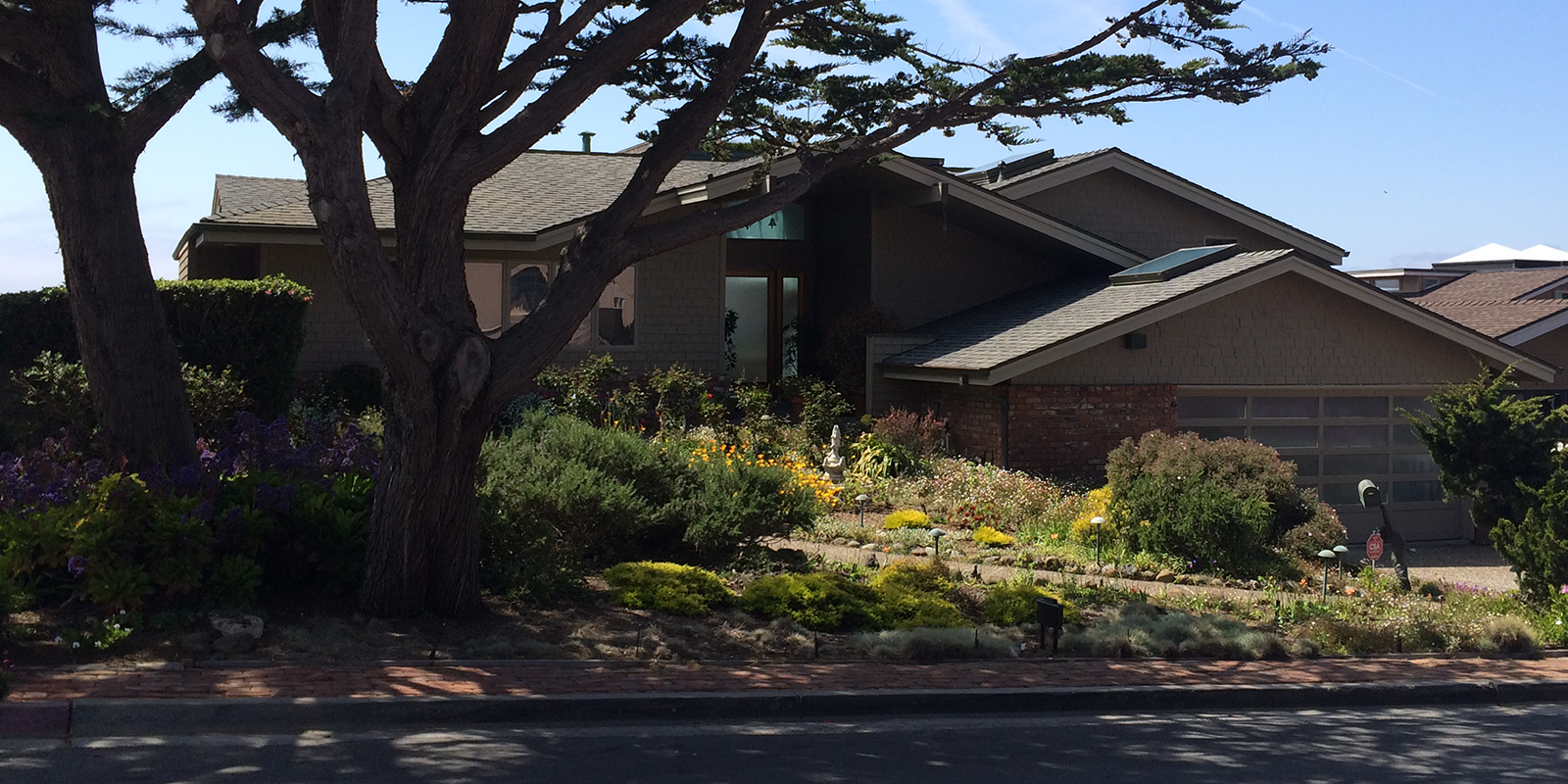
Sustainable Building Strategies for Coastal California
Posted Apr 15 2024 | By Admin | Tag(s) Architecture , Lifestyle | Comments 2 Comments
In 2026, sustainability is no longer a trendy add-on in Central Coast architecture — it is a fundamental expectation. Homeowners, developers, and architects across California’s Central Coast are prioritizing environmentally responsible practices that lower long-term operating costs, enhance resilience, and protect the region’s unique coastal and agricultural landscapes.
From the foggy bluffs of Cambria to the sun-drenched vineyards of Paso Robles and the oak-studded hills of San Luis Obispo County, new homes and renovations increasingly integrate smart, climate-appropriate strategies. These approaches work in harmony with the region’s mild Mediterranean climate — cool, foggy summers, mild winters, and periodic drought — while helping homeowners reduce energy bills, conserve scarce water, and create healthier, more comfortable living spaces.
Passive Design: Working With the Climate, Not Against It
The most cost-effective and elegant sustainable strategies are often passive — those that rely on thoughtful design rather than mechanical systems. In the Central Coast’s moderate climate, passive techniques can dramatically cut energy demand for heating and cooling. Key passive strategies gaining traction include:
- Strategic building orientation and shading — Positioning homes to capture beneficial winter sun while minimizing direct summer heat gain through deep overhangs, exterior louvers, or strategically placed deciduous trees and trellises.
- Thermal mass materials — Using concrete floors, adobe-style walls, or stone accents that absorb heat during the day and release it slowly at night, stabilizing indoor temperatures with minimal energy input.
- Natural daylighting and ventilation — Large, well-placed windows combined with operable clerestory vents and cross-ventilation paths that harness prevailing coastal breezes to flush out stale air and reduce the need for air conditioning.
- High-performance building envelopes — Superior insulation, advanced glazing with low solar heat gain coefficients, and airtight construction that keeps conditioned air inside where it belongs.
These passive approaches are especially powerful in the Central Coast, where temperatures rarely swing to extremes, allowing well-designed homes to maintain comfort with little or no mechanical heating or cooling for much of the year.
Energy Efficiency and Electrification
California’s stringent Title 24 Building Energy Efficiency Standards continue to push the industry forward, making high-performance systems standard in new construction. Homeowners are embracing:
- High-performance insulation and windows — Dramatically reducing heat loss or gain.
- Heat pump technology — For both space heating/cooling and domestic hot water. Heat pumps are highly efficient in the mild Central Coast climate and pair beautifully with solar power.
- Rooftop solar paired with battery storage — Allowing homes to generate clean electricity on-site and maintain power during Public Safety Power Shutoffs (PSPS) or grid disruptions, which are becoming more common.
- Electric-ready infrastructure — Pre-wiring for future heat pumps, induction cooking, and EV chargers, ensuring homes remain adaptable as technology and incentives evolve.
When solar, batteries, and heat pumps are combined, many Central Coast homes achieve near-zero or net-positive energy performance, significantly lowering utility bills while increasing energy independence and wildfire resilience.
Water Conservation: Critical in a Drought-Prone Region
Water remains one of California’s most precious resources. Sustainable designs on the Central Coast incorporate multiple layers of conservation:
- Drought-tolerant and native landscaping — Replacing thirsty lawns with California natives, Mediterranean plants, and permeable hardscapes that require minimal irrigation once established.
- Efficient irrigation systems — Smart controllers, drip irrigation, and soil moisture sensors that deliver water only where and when it’s needed.
- Rainwater harvesting and graywater systems — Capturing roof runoff for landscape use or treating household graywater for non-potable applications.
- Low-flow fixtures and water-efficient appliances — High-efficiency toilets, showerheads, faucets, and washing machines that meet or exceed CALGreen standards.
These measures not only reduce demand on local water supplies but also help protect coastal ecosystems and aquifers from overuse and potential contamination.
Integrated Design and Long-Term Benefits
The most successful sustainable projects integrate these strategies from the earliest conceptual stages rather than as afterthoughts. Early collaboration between architects, engineers, landscape designers, and owners allows for holistic solutions that optimize performance, control costs, and enhance livability.
Beyond environmental gains, these strategies deliver tangible homeowner benefits: lower monthly utility bills, improved indoor air quality, greater resilience during heat waves or power outages, and increased property value in a market that increasingly rewards green features.
For the broader community and ecosystem, widespread adoption of sustainable building practices helps reduce greenhouse gas emissions, ease pressure on strained water resources, and preserve the natural beauty and agricultural character that define the Central Coast.
A Responsible Path Forward
As California continues to face the realities of climate change — including sea-level rise along the coast, more frequent droughts, and wildfire risks — sustainable building is no longer optional. It is a practical, forward-thinking response that honors the region’s environmental constraints while delivering homes that are healthier, more comfortable, and more affordable to operate over decades.
Whether you’re planning a new vineyard estate, a coastal retreat, or a family home in the hills, incorporating smart passive design, efficient systems, and thoughtful water strategies creates buildings that feel inherently “of this place” — rooted in the climate, landscape, and values of California’s beautiful Central Coast.
In the end, sustainable design isn’t about sacrifice. It’s about smarter choices that benefit homeowners today and safeguard the region’s natural heritage for generations to come.
Want to learn more about GFH Architecture, Planning & Graphics?
Disclaimer
GFH Architecture does NOT represent or endorse the accuracy or reliability of any information or content contained on, distributed through or linked, downloaded or accessed on our Blog. The Authors expressed views and opinions are for entertainment, information and discussion purposes only. By viewing our Blog you signify your agreement that you must evaluate and make your own judgement, and bear all risks associated with, the use of any content on our Blog. Site Administrator
-
GFH has over 40 years of architectural experience serving the Central Coast.
-
Contact us today to discover how we can best serve you on your next building project.
-
Tel: +1 (805) 466-7674
-
Email: gary@gfharchitecture.com
John Smith Apr 15 2024
Your approved reply could appear here. Share your opinions and join the conversation.
ReplyJohn Smith Apr 15 2024
Your approved reply could appear here. Share your opinions and join the conversation.
ReplyLeave a Reply