Smart Home Integration in Contemporary Architecture
Posted May 15 2024 | By Admin | Tag(s) Architecture , Lifestyle | Comments 2 Comments
In 2026, technology has become a foundational element of residential design on California’s Central Coast. From Santa Barbara’s coastal estates to modern homes in San Luis Obispo and beyond, smart home integration is no longer a luxury add-on but a standard feature in new construction and major renovations. Architects and builders are embedding intelligent systems from the earliest conceptual stages, creating homes that are more convenient, efficient, secure, and responsive to their inhabitants’ needs—while preserving clean, timeless aesthetics.
What Smart Home Integration Looks Like Today
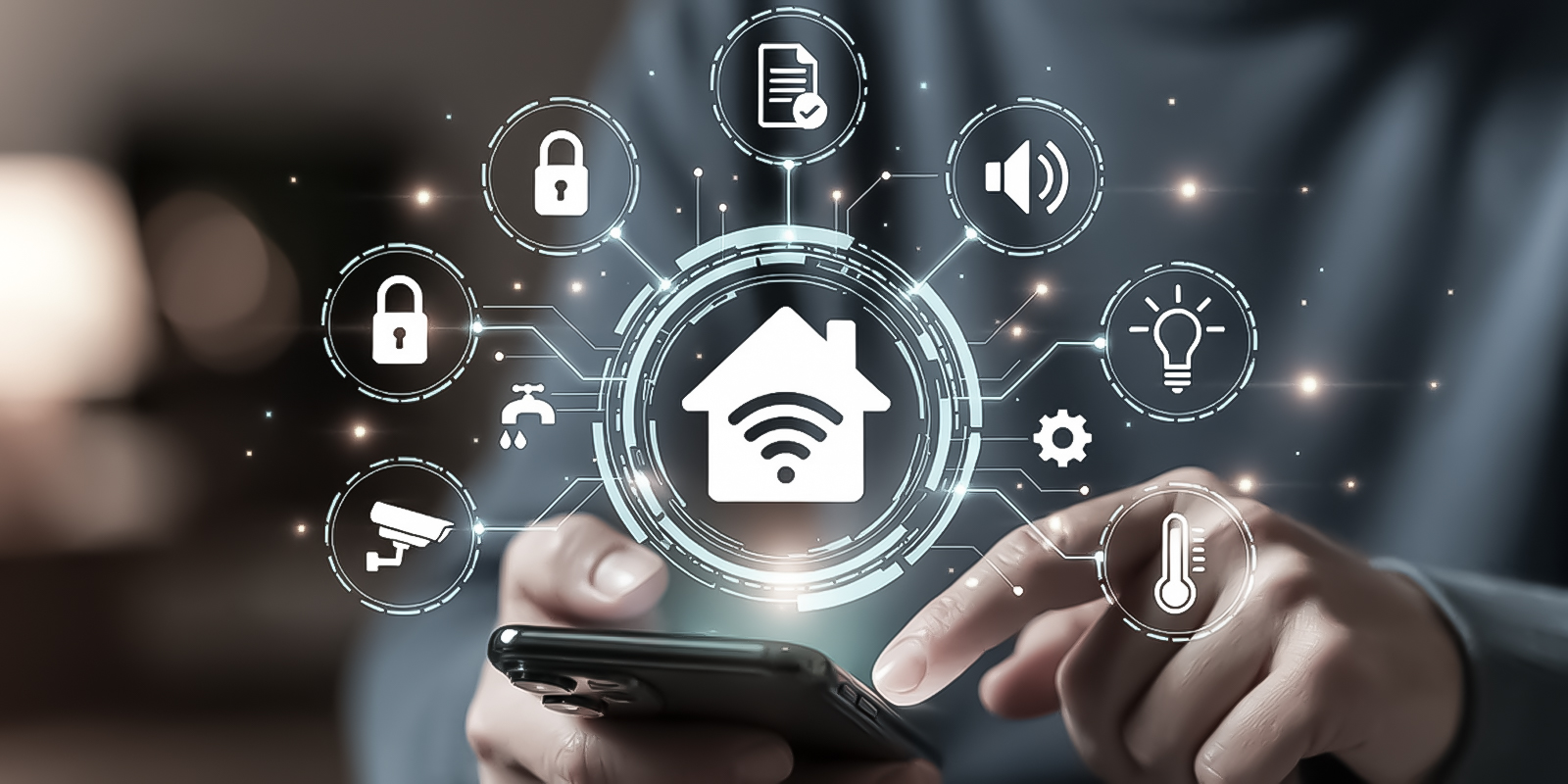
Modern smart homes allow seamless control of lighting, climate, security, shading, entertainment, and energy systems through intuitive interfaces: smartphone apps, voice commands, wall-mounted touch panels, or even predictive automation that anticipates routines. Homeowners can adjust zoned HVAC from bed, have shades lower automatically as the afternoon sun intensifies over the Pacific, or receive alerts if a door opens unexpectedly—all from a unified platform.
The real advancement in 2026 lies in interoperability and invisibility. Thanks to the widespread adoption of the Matter standard and Thread networking protocol, devices from different manufacturers work together reliably, reducing the frustration of competing ecosystems (Apple Home, Amazon Alexa, Google Home, etc.). Technology no longer clutters surfaces with visible gadgets; instead, sensors, wiring, and controls are concealed within architecture—embedded in millwork, cove lighting, or structural elements—so the home feels calm and crafted rather than “tech-heavy.”
Early Integration: The Key to Seamless Design
Forward-thinking architects on the Central Coast now collaborate with AV and automation specialists during the schematic design phase. This early involvement allows for:
- Concealed wiring pathways and structured cabling
- Dedicated low-voltage equipment rooms or centralized hubs
- Strategic placement of sensors, speakers, and access points
- Coordination with lighting, window, and mechanical systems
Planning ahead dramatically reduces costs compared to retrofitting (often by 40-60%) and ensures the technology enhances rather than compromises the architectural vision. On the Central Coast, where homes frequently emphasize indoor-outdoor living and ocean views, this means automated shading that preserves sightlines, discreet outdoor speakers for entertaining, and climate systems that respond to marine-layer fog or afternoon heat without visible thermostats dominating minimalist interiors.
Sustainability and Energy Intelligence
Smart integration has become a powerful ally for environmentally responsible design—especially important in a region balancing growth with conservation. Features such as:
- AI-driven thermostats and zoned HVAC that learn occupancy patterns
- Automated shading and natural ventilation systems
- Real-time energy monitoring with appliance-level insights
- Integration with solar arrays and battery storage
…help homeowners reduce consumption significantly. Studies and real-world implementations show smart systems can cut residential energy use by 10–30%, with some projects achieving even greater savings through predictive automation that shifts usage to off-peak times or optimizes EV charging.
These tools support broader sustainability goals while maintaining comfort. Circadian lighting that mimics natural daylight rhythms, for instance, promotes wellness, while smart sensors ensure lights and systems turn off in unoccupied rooms. In coastal homes, humidity and moisture sensors can also help protect against the region’s unique environmental challenges.
Enhanced Living: Convenience, Security, and Wellness
Beyond efficiency, smart systems elevate daily life in meaningful ways:
- Security: Facial recognition, smart locks, integrated cameras with AI threat detection, and automated “away” modes provide peace of mind—whether you’re at work in downtown Santa Barbara or traveling.
- Wellness and Comfort: Automated routines like pre-warming bathroom floors, adjusting lighting for focus or relaxation, or creating “goodnight” scenes that dim lights, lower shades, and secure the home.
- Personalization: AI increasingly anticipates needs—adjusting temperature based on time of day, weather, or even biometric feedback—while allowing easy manual overrides.
Many Central Coast projects now incorporate “invisible tech” trends: hidden charging stations, panel-ready appliances, pop-up or retractable screens, and whole-home audio that blends into ceilings or cabinetry. The result is a home that feels thoughtfully human-centered rather than gadget-driven.
Local Context on the Central Coast
The region’s mix of historic character, modern infill, and high-end custom homes makes thoughtful integration especially valuable. Local firms specializing in smart systems frequently partner with architects to ensure technology respects the architectural language—whether it’s a contemporary glass pavilion overlooking the ocean or a renovated Spanish Revival residence. Demand is high for voice-activated controls, zoned climate systems, and energy monitoring that align with California’s strict efficiency standards and the area’s focus on sustainable coastal living.
Challenges and Best Practices
While the benefits are compelling, success depends on thoughtful execution. Homeowners and designers should prioritize:
- Scalable, future-ready systems (Matter-compatible where possible)
- Robust, secure networks with strong Wi-Fi or wired backbones
- Privacy-focused options, including local processing and options to limit always-on connectivity in bedrooms
- Professional integration to avoid fragmented apps or unreliable performance
Working with experienced local integrators early in the process helps navigate these considerations while keeping the design cohesive.
The Future of Thoughtful Homes
In 2026, when smart home technology is integrated with intention, it becomes an invisible yet powerful partner in contemporary architecture. It doesn’t shout for attention—it quietly enhances how we live, supports environmental stewardship, and adapts to our evolving needs.
For Central Coast residents building or remodeling, embracing smart integration from the start creates homes that are not only beautiful and functional today but resilient and valuable for decades to come. As one local specialist put it, the best smart homes make you feel smart—effortless, intuitive, and in harmony with your surroundings.
Whether you’re drawn to the energy savings, the seamless convenience, or the quiet elegance of technology that disappears into the architecture, smart integration represents one of the most exciting opportunities in residential design right now. The homes of tomorrow aren’t just smarter—they’re more livable, sustainable, and deeply personal.
Want to learn more about GFH Architecture, Planning & Graphics?
Disclaimer
GFH Architecture does NOT represent or endorse the accuracy or reliability of any information or content contained on, distributed through or linked, downloaded or accessed on our Blog. The Authors expressed views and opinions are for entertainment, information and discussion purposes only. By viewing our Blog you signify your agreement that you must evaluate and make your own judgement, and bear all risks associated with, the use of any content on our Blog. Site Administrator
-
GFH has over 40 years of architectural experience serving the Central Coast.
-
Contact us today to discover how we can best serve you on your next building project.
-
Tel: +1 (805) 466-7674
-
Email: gary@gfharchitecture.com
John Smith May 15 2024
Your approved reply could appear here. Share your opinions and join the conversation.
ReplyJohn Smith May 15 2024
Your approved reply could appear here. Share your opinions and join the conversation.
ReplyLeave a Reply