The Architectural Design Process: What Clients Can Expect
Posted Nov 15 2025 | By Admin | Tag(s) Architecture , Lifestyle | Comments 2 Comments
Embarking on an architectural project — whether it’s designing a custom home, a major renovation, or a new commercial space—can feel both exhilarating and daunting for many property owners. The process involves creativity, technical precision, regulatory hurdles, and significant investment. Without a clear roadmap, clients often experience uncertainty about timelines, costs, decision points, and their own role. Understanding the standard architectural design process demystifies the journey, builds confidence, and sets the stage for a smoother, more rewarding outcome. A well-informed client becomes a strong collaborator, helping ensure the final project not only meets functional needs but also reflects personal vision while staying on budget and schedule.
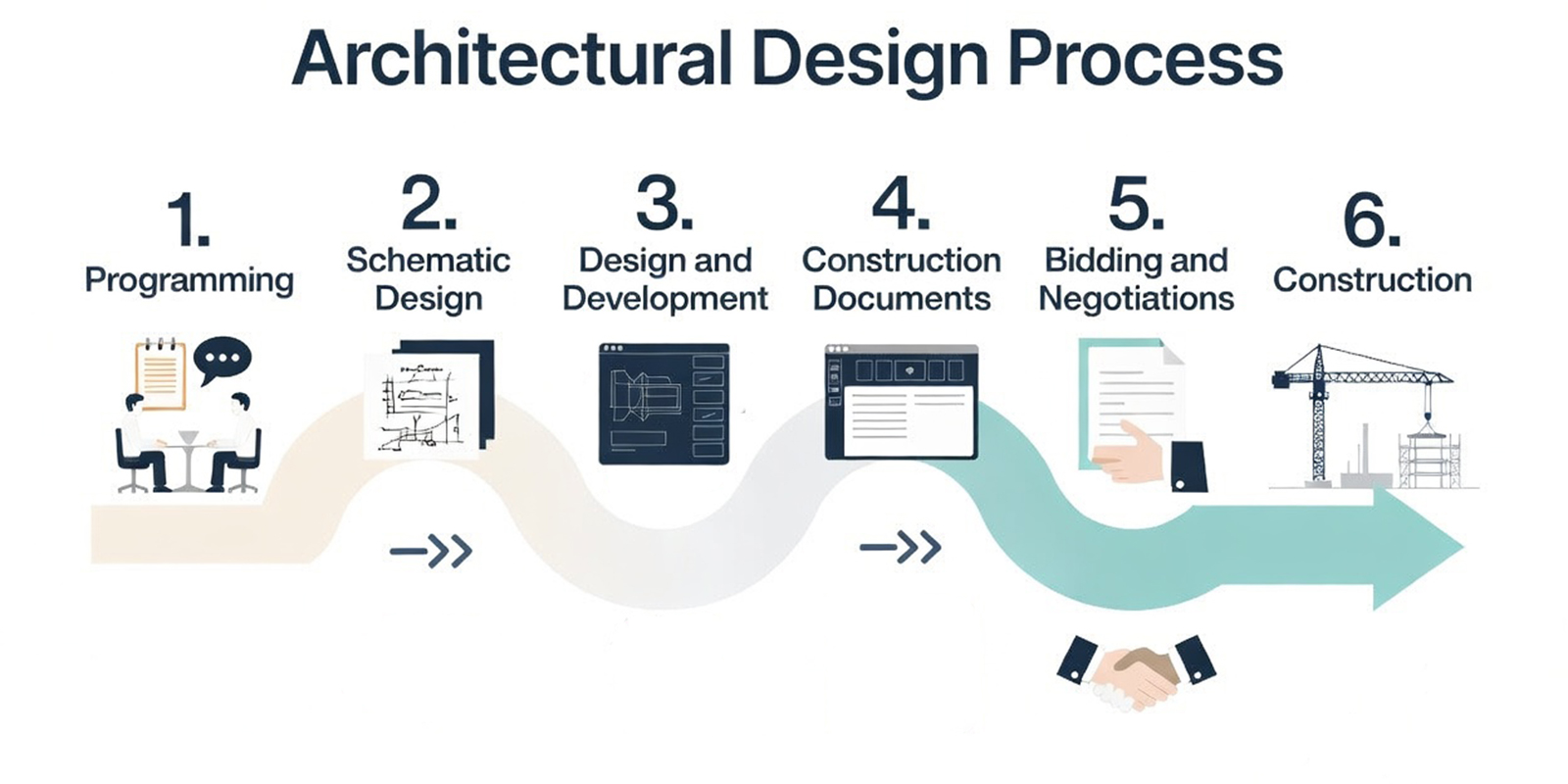
Architects follow a structured, phased approach—often aligned with guidelines from organizations like the American Institute of Architects (AIA) — that transforms ideas into reality. While every project varies based on scope, location, complexity, and delivery method (such as design-bid-build or design-build), the core phases remain consistent. Here’s what you can typically expect as a client, with practical insights to help you navigate each stage successfully.
1. Pre-Design / Programming Phase: Laying the Foundation
The process begins long before any sketches appear. In the pre-design or programming phase, your architect focuses on gathering essential information to define the project’s scope. This includes in-depth discussions about your goals, lifestyle needs, functional requirements, budget, timeline, and any specific aspirations (such as sustainability features, accessibility, or futureproofing for family changes).
Expect site visits and analysis: Architects evaluate topography, soil conditions, sun orientation, views, existing structures, and environmental factors. For projects in Central California communities like Templeton or Atascadero, this stage often includes a thorough review of local zoning regulations, building codes, and community design guidelines. These areas emphasize preserving rural character, compatible architectural styles (drawing from influences like Mission Revival, California Bungalow, or Western vernacular), setbacks, height limits, landscaping standards, and objective design criteria for residential or mixed-use developments.
Your architect may help assemble a project team, including structural engineers, civil consultants, or sustainability experts, and provide a realistic cost estimate that accounts for soft costs (permitting, fees) alongside construction. This phase prevents costly surprises later by aligning expectations early.
Client Tip: Come prepared with inspiration images, a prioritized wish list, and a transparent budget discussion. Changes are cheapest at this stage—on paper rather than during construction. Open communication here builds trust and prevents misalignment down the line.
2. Schematic Design Phase: Exploring Creative Possibilities
Once the program is established, the fun begins: the schematic design (SD) phase. Architects translate your needs into preliminary concepts, producing rough floor plans, site layouts, elevations, and 3D visualizations or renderings. Multiple design options may be explored to test different massing, spatial flows, materials, and aesthetic directions.
This iterative stage emphasizes collaboration. You’ll review concepts, provide feedback, and help refine the vision. For local projects in Templeton or Atascadero, designs must respect community character—such as appropriate building bulk, roof forms, articulation to avoid monolithic appearances, and integration with the surrounding landscape.
Expect 2–4 weeks or more (depending on project size), with one or more formal presentations. The goal is to select a preferred direction that captures the essence of your project.
Client Tip: Don’t hesitate to ask for 3D models or virtual walkthroughs if 2D drawings feel abstract. Be decisive yet flexible; major shifts become more expensive after this phase. This is where the project’s personality starts to emerge.
3. Design Development Phase: Refining Details and Systems
With a chosen concept approved, the project moves into design development (DD). Here, the preliminary ideas gain depth: floor plans become more precise, material selections are specified, structural systems are coordinated, and key building systems (mechanical, electrical, plumbing, lighting, and energy efficiency) are integrated.
Architects refine aesthetics, functionality, and performance—balancing beauty with practicality, such as incorporating passive solar design, durable local materials, or sustainable features that lower long-term operating costs. Budget checks occur regularly to ensure alignment with your financial parameters.
This phase typically represents a significant portion of the design effort and may take several weeks to months. Deliverables include more detailed drawings and outline specifications.
Client Tip: Focus on big-picture decisions like finishes, fixtures, and systems. Involve family members or key stakeholders in reviews. Your architect will flag potential value-engineering opportunities if costs need adjustment, ensuring quality isn’t sacrificed.
4. Construction Documents Phase: Creating the Blueprint for Success
The construction documents (CD) phase transforms the refined design into a comprehensive technical package. Detailed drawings, specifications, and schedules provide contractors with precise instructions for permitting and building. These documents cover everything from structural details and material grades to window schedules, electrical layouts, and compliance with accessibility and energy codes.
For projects in regulated areas like Atascadero or Templeton, these drawings must satisfy local design review committees, zoning standards, and environmental requirements. The process ensures the project is buildable, code-compliant, and true to the approved vision. This phase often consumes the largest share of architectural fees (around 35–50%) because accuracy here minimizes change orders and construction issues.
Client Tip: Review documents carefully, but trust your architect’s expertise in technical details. Ask questions about anything unclear — clarity now prevents headaches later.
5. Bidding and Negotiation Phase: Selecting the Right Team
Once documents are complete, the project enters bidding or procurement. Your architect helps solicit bids from qualified contractors, reviews proposals for completeness and fairness, and assists in negotiations. This step clarifies costs, identifies potential value options, and finalizes the construction contract.
In competitive markets, multiple bids provide leverage; in specialized or fast-track scenarios, a design-build approach may integrate contractor input earlier.
Client Tip: Your architect acts as an advocate, helping interpret bids and spot red flags. Factor in contractor experience with similar projects in your area.
6. Construction Administration Phase: Overseeing Realization
Construction marks the transition from paper to reality. Your architect typically remains involved through construction administration (CA), making site visits, reviewing submittals and shop drawings, answering RFIs (requests for information), and helping resolve issues that arise.
They ensure the built work aligns with the design intent, approve progress payments, and address any necessary changes through formal processes. Regular communication keeps you informed of progress, challenges, and solutions.
Expect the architect to serve as a liaison between you and the contractor, protecting your interests while maintaining professional relationships.
Client Tip: Construction timelines often include built-in contingencies for weather, supply chain delays, or unforeseen site conditions. Stay engaged but patient—consistent communication prevents small issues from escalating.
7. Post-Occupancy and Project Closeout: Reflecting and Refining
After substantial completion, a final walkthrough, punch list resolution, and warranty period follow. Some architects offer post-occupancy evaluation to assess performance and gather feedback for future improvements. This helps confirm that the space functions as envisioned and delivers the expected quality of life or operational benefits.
Why Understanding This Process Matters
A transparent design process reduces stress, controls costs, and elevates outcomes. Early involvement of an architect often yields better space utilization, higher energy efficiency, fewer construction errors, and stronger resale value. Clients who communicate openly, make timely decisions, and respect the iterative nature of design tend to enjoy the journey most.
Projects in places like Templeton and Atascadero benefit particularly from architects familiar with local vernacular, rural character preservation, and specific design standards—ensuring your new or renovated space enhances the community while meeting your personal needs.
If you’re considering an architectural project, start by scheduling an initial consultation. Bring your ideas, questions, and a willingness to collaborate. With knowledge of the process and a trusted architect partner, what once felt overwhelming becomes an empowering path to creating something truly special— a space that inspires daily and stands the test of time.
Whether your vision is modest or ambitious, the structured architectural process exists to turn dreams into durable, beautiful reality. Reach out to a local professional to begin your journey with clarity and confidence.
View our Process page:
Disclaimer
GFH Architecture does NOT represent or endorse the accuracy or reliability of any information or content contained on, distributed through or linked, downloaded or accessed on our Blog. The Authors expressed views and opinions are for entertainment, information and discussion purposes only. By viewing our Blog you signify your agreement that you must evaluate and make your own judgement, and bear all risks associated with, the use of any content on our Blog. Site Administrator
-
GFH has over 40 years of architectural experience serving the Central Coast.
-
Contact us today to discover how we can best serve you on your next building project.
-
Tel: +1 (805) 466-7674
-
Email: gary@gfharchitecture.com
John Smith Nov 15 2025
Your approved reply could appear here. Share your opinions and join the conversation.
ReplyJohn Smith Nov 15 2025
Your approved reply could appear here. Share your opinions and join the conversation.
ReplyLeave a Reply