Designing Homes for the Central Coast Lifestyle in 2026
Posted Feb 15 2026 | By Admin | Tag(s) Architecture , Lifestyle | Comments 2 Comments
Life on California’s Central Coast — spanning Santa Barbara, San Luis Obispo, and Monterey counties—embodies a harmonious blend of dramatic Pacific vistas, temperate Mediterranean climate, and a laid-back lifestyle that values connection to nature. In 2026, residential architecture in the region has evolved to deepen this relationship, with designs that intentionally blur the boundaries between indoor and outdoor living. Homeowners increasingly seek homes that harness ocean breezes, abundant natural light, and sweeping views while delivering year-round comfort, resilience, and efficiency.
Seamless Indoor-Outdoor Living: The Core of Central Coast Design
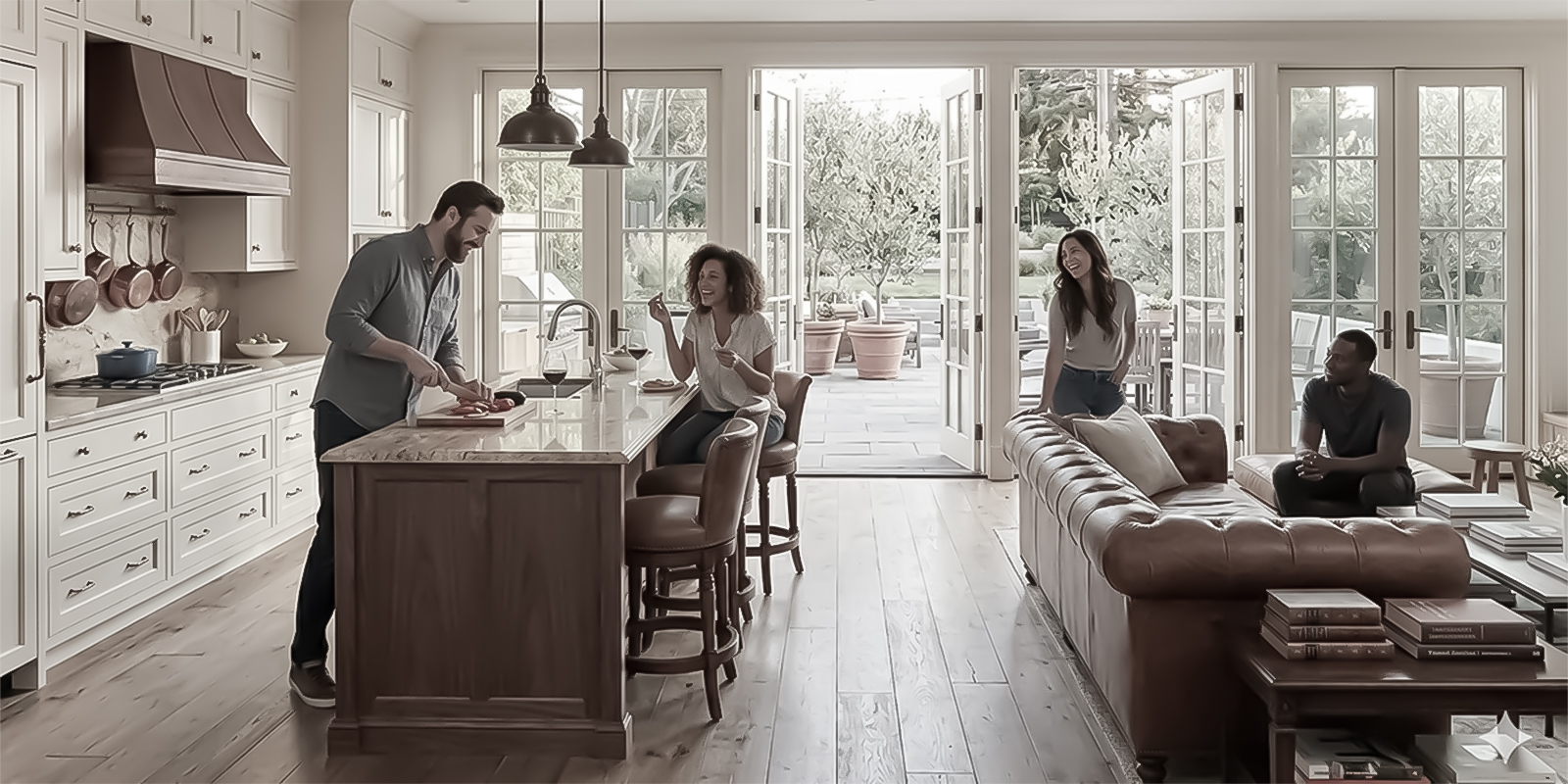
The defining feature of modern Central Coast homes is the effortless flow between interior spaces and the landscape. Large-format sliding glass walls, folding NanaWall-style systems, and retractable doors transform living areas into expansive outdoor rooms, effectively extending usable space without increasing the building footprint.
Covered patios, loggias, and protected courtyards serve as true extensions of the home—furnished with weather-resistant yet comfortable seating, outdoor kitchens, and layered lighting that support everything from morning coffee to evening entertaining. Thoughtful site orientation and strategic window placement capture prevailing coastal winds for natural cross-ventilation, while overhangs, louvers, and strategically placed shading minimize harsh afternoon sun.
These passive design strategies not only enhance livability but also reduce reliance on mechanical systems. In the mild Central Coast climate, they contribute to lower energy consumption and align seamlessly with California’s updated 2025 Title 24 Building Energy Efficiency Standards (effective January 1, 2026), which emphasize heat pumps, improved envelope performance, and demand flexibility.
Natural and Resilient Materials That Age Gracefully
Central Coast architecture draws inspiration directly from its surroundings, favoring materials that complement the rugged coastline, native oaks, and golden hills. Warm woods (such as white oak or sustainably sourced redwood), natural stone, textured limewash or plaster walls, and earthy neutrals create a sense of quiet luxury and “warm minimalism.”
In the marine environment—characterized by salt air, fog, and UV exposure—durability is essential. Homeowners and architects increasingly specify moisture- and corrosion-resistant composites, fiber-cement siding, or advanced wood alternatives that resist warping, fading, and decay while maintaining an organic aesthetic. These materials not only weather beautifully over time but also support biophilic design principles by fostering a stronger sensory connection to nature.
Sustainability remains a priority. Recycled or low-carbon materials, cool roofs (per Title 24 requirements), and high-performance windows help homes meet stricter energy codes while reducing long-term maintenance in the salty coastal air.
Resilience Meets Coastal Character
With increasing awareness of wildfire risk, sea-level rise, and extreme weather, resilient design has become integral rather than optional. Features such as:
- Ember-resistant vents
- Defensible-space landscaping
- Fire-rated roofing and windows
- Elevated foundations in vulnerable areas
are now standard considerations, particularly in communities like Montecito, Carpinteria, and parts of the SLO coast. These elements integrate discreetly into designs that preserve the region’s relaxed, low-profile aesthetic—avoiding fortress-like appearances in favor of harmonious, site-sensitive forms.
Flexible, Adaptable Interiors for Evolving Lifestyles
Modern Central Coast homes prioritize versatility. Open floor plans with multipurpose rooms accommodate remote work, multigenerational living, guest suites, or hobbies that change over time. Home offices often double as yoga or meditation spaces, while flexible “flex rooms” adapt from play areas to quiet retreats.
Biophilic design elements—abundant daylight, natural ventilation, indoor-outdoor sightlines, and the use of organic textures—enhance well-being and create calming environments that feel restorative. Wellness-focused features, such as spa-like bathrooms with views or integrated outdoor showers, reflect a broader shift toward homes that support physical and mental health in addition to shelter.
Timeless Yet Forward-Looking: Balancing Aesthetics and Performance
Successful residential architecture on the Central Coast transcends trends. It responds thoughtfully to:
- Local microclimates
- Coastal Commission guidelines
- Neighborhood character
- The homeowner’s lifestyle
Clean lines, soft sculptural forms, grounded color palettes (warm whites, sandy neutrals, subtle coastal blues and clays), and layered textures define the look—elegant without being ostentatious, modern while respecting the region’s architectural heritage.
Architects and designers collaborate closely with clients and consultants early in the process to navigate entitlements, energy compliance, and site constraints, resulting in homes that maximize potential while minimizing environmental impact.
Why It Matters
In 2026, Central Coast residential design is about creating homes that feel alive with the landscape—spaces where the indoors and outdoors converse continuously, where natural light and air refresh the spirit, and where thoughtful details support daily life for decades. These homes not only enhance property value and reduce operating costs but also contribute to a more sustainable, resilient, and beautiful coastal California.
Whether you’re envisioning a new build, a thoughtful remodel, or an ADU that extends your living space, partnering with experienced local architects ensures your home captures the essence of the Central Coast: beauty, comfort, and a profound sense of place.
Want to learn more about GFH Architecture, Planning & Graphics?
Disclaimer
This article is for inspiration only. Building codes, coastal regulations, and best practices evolve; always consult qualified architects, engineers, and local planning departments for project-specific guidance. GFH Architecture does NOT represent or endorse the accuracy or reliability of any information or content contained on, distributed through or linked, downloaded or accessed on our Blog. The Authors expressed views and opinions are for entertainment, information and discussion purposes only. By viewing our Blog you signify your agreement that you must evaluate and make your own judgement, and bear all risks associated with, the use of any content on our Blog. Site Administrator
-
GFH has over 40 years of architectural experience serving the Central Coast.
-
Contact us today to discover how we can best serve you on your next building project.
-
Tel: +1 (805) 466-7674
-
Email: gary@gfharchitecture.com
John Smith Feb 15 2026
Your approved reply could appear here. Share your opinions and join the conversation.
ReplyJohn Smith Feb 15 2026
Your approved reply could appear here. Share your opinions and join the conversation.
ReplyLeave a Reply