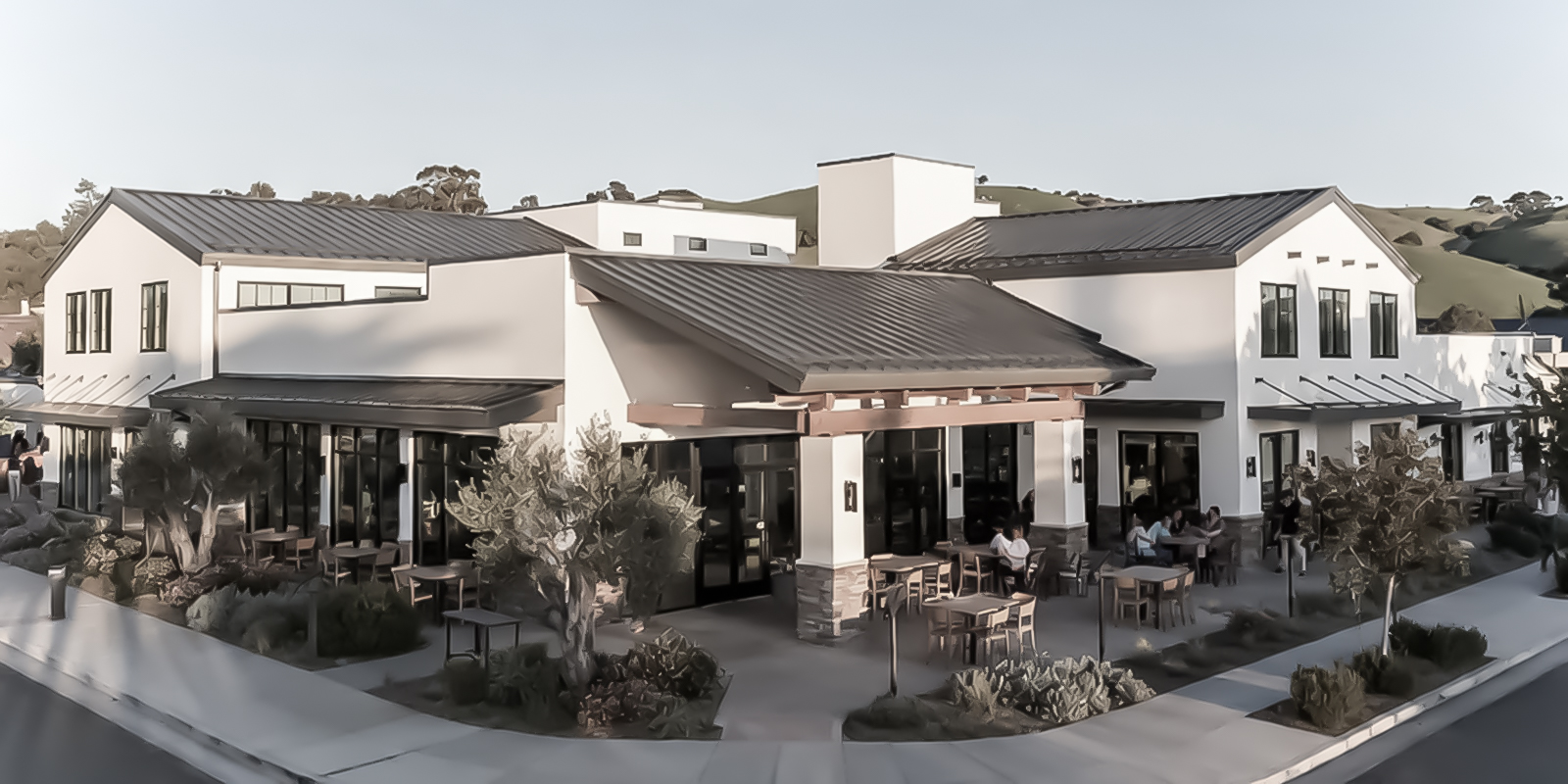
Commercial Architecture Supporting Local Growth On The Central Coast
Posted Oct 15 2025 | By Admin | Tag(s) Architecture , Lifestyle | Comments 2 Comments
Commercial Architecture: Fueling Sustainable Growth on California's Central Coast
As economic momentum builds across California's Central Coast, a wave of opportunity is reshaping the built environment. Cities like San Luis Obispo (SLO) and Paso Robles are experiencing heightened demand for modern offices, vibrant hospitality venues, and innovative mixed-use developments. This growth isn't just about adding square footage—it's about crafting spaces that drive local prosperity while honoring the region's unique character, from its historic Mission Revival roots to its rolling vineyards and Pacific influences.
In a region celebrated for its quality of life, thoughtful commercial architecture serves as a catalyst for community vitality. It bridges economic development with cultural preservation, creating environments where businesses thrive and residents feel a deeper connection to their neighborhoods.
Striking the Perfect Balance: Functionality Meets Community Character
At its core, successful commercial architecture on the Central Coast achieves a harmonious balance between practical functionality and a strong sense of place. Buildings must efficiently support operational needs—whether accommodating growing tech and professional services in SLO offices or catering to the booming wine tourism and hospitality sector in Paso Robles—while enhancing the surrounding neighborhood rather than overpowering it.
This balance is evident in projects that draw inspiration from the area's architectural heritage. Elements like clean contemporary lines blended with subtle nods to Mission-style adobe or barn-inspired forms (common in Paso Robles vineyard estates) help new developments feel rooted in the landscape. The result? Structures that don't just occupy space but actively contribute to the visual and social fabric of the community.
Designing for People: Pedestrian-Friendly and Inviting Spaces
One of the most impactful trends in Central Coast commercial design is the emphasis on human-scale, pedestrian-friendly environments. Gone are the days of car-centric strip malls; today's projects prioritize walkability to foster lively commercial districts.
Key design elements include:
- Engaging storefronts with large, transparent windows that invite passersby and showcase local businesses.
- Outdoor gathering spaces such as shaded patios, plazas, and rooftop terraces—especially valuable in a Mediterranean climate where year-round outdoor living is a draw.
- Attractive landscaping featuring native plants, drought-tolerant gardens, and tree canopies that provide shade, reduce urban heat, and connect developments to the natural beauty of the Central Coast.
These features don't just enhance aesthetics; they boost economic activity by encouraging foot traffic, longer dwell times, and a stronger sense of community. In downtown SLO and Paso Robles, such designs help revitalize corridors, support small businesses, and create destinations where people want to linger, shop, dine, and connect.
Mixed-use developments further amplify this effect by layering residential, commercial, office, and even light industrial uses. This "live-work-play" model reduces reliance on long commutes, supports local economies around the clock, and makes efficient use of limited land in a region constrained by geography and growth boundaries.
Prioritizing Sustainability: Building for Resilience and Efficiency
Sustainability has moved from a nice-to-have to a core priority in Central Coast commercial architecture—and for good reason. With California's ambitious climate goals and the region's vulnerability to drought, wildfires, and energy costs, forward-thinking designs deliver both environmental benefits and long-term savings for business owners.
Innovative features increasingly include:
- Energy-efficient systems like high-performance lighting, advanced HVAC, and smart building technologies.
- Renewable energy integration, such as rooftop solar arrays and battery storage, which can significantly cut operating expenses while contributing to regional clean energy targets.
- Sustainable materials, including reclaimed wood, low-VOC finishes, and locally sourced elements that reduce carbon footprints and tie buildings to the area's agricultural and natural heritage.
Local firms have pioneered net-zero energy commercial buildings and LEED-certified projects on the Central Coast, setting benchmarks for climate-responsive design that harness passive solar strategies, natural ventilation, and water reclamation. These approaches not only lower costs but also appeal to environmentally conscious tenants, customers, and investors in a market where "green" credentials increasingly influence leasing and sales decisions.
Strengthening Economic and Visual Identity
When commercial architecture is planned with care, it becomes a powerful tool for reinforcing the unique identity of Central Coast communities. New offices can attract professional talent and support emerging industries, while hospitality projects—from boutique hotels to winery tasting rooms—capitalize on tourism without compromising the laid-back, authentic vibe that defines the region.
Thoughtful planning also addresses broader challenges, such as adapting to post-pandemic shifts in work and retail patterns. Flexible interiors, adaptable spaces, and integration with public infrastructure (like improved sidewalks or transit connections) ensure developments remain resilient over decades.
Ultimately, well-designed commercial projects strengthen the economic backbone of SLO, Paso Robles, and surrounding areas by creating jobs, spurring investment, and elevating property values. They preserve and enhance the visual appeal that makes the Central Coast a desirable place to live, work, and visit—blending modern functionality with timeless charm.
Looking Ahead: Opportunities for Collaborative Growth
As the Central Coast continues its evolution—supported by new industrial parks, mixed-use infill projects, and a focus on adaptive reuse—the role of architecture in shaping this future cannot be overstated. Collaboration among architects, developers, city planners, and community stakeholders will be key to ensuring growth is inclusive, sustainable, and true to the region's spirit.
For business owners, developers, or investors eyeing the Central Coast, partnering with designers who understand both local nuances and emerging trends (flexibility, biophilic elements, and performance-driven sustainability) will yield the most successful outcomes.
The message is clear: Commercial architecture isn't just about buildings—it's about building better communities. By investing in designs that prioritize people, planet, and prosperity, the Central Coast can sustain its growth while safeguarding the qualities that make it special.
Disclaimer
GFH Architecture does NOT represent or endorse the accuracy or reliability of any information or content contained on, distributed through or linked, downloaded or accessed on our Blog. The Authors expressed views and opinions are for entertainment, information and discussion purposes only. By viewing our Blog you signify your agreement that you must evaluate and make your own judgement, and bear all risks associated with, the use of any content on our Blog. Site Administrator
-
GFH has over 40 years of architectural experience serving the Central Coast.
-
Contact us today to discover how we can best serve you on your next building project.
-
Tel: +1 (805) 466-7674
-
Email: gary@gfharchitecture.com
John Smith Oct 15 2025
Your approved reply could appear here. Share your opinions and join the conversation.
ReplyJohn Smith Oct 15 2025
Your approved reply could appear here. Share your opinions and join the conversation.
ReplyLeave a Reply