Architecture & Central Coast Food Culture
Posted Apr 15 2023 | By Admin | Tag(s) Architecture , Lifestyle | Comments 2 Comments
The Central Coast of California, particularly the San Luis Obispo (SLO) region, boasts one of the most vibrant and authentic food cultures in the United States. Blessed with a Mediterranean-like climate, fertile soil, and proximity to the Pacific, the area produces an abundance of fresh ingredients year-round—from strawberries and artichokes to olives, avocados, and world-class wine grapes. This agricultural richness doesn't just shape local dining; it deeply influences how people live, gather, and design their homes.
A Food Culture Rooted in Community and Freshness
The heartbeat of SLO's food scene pulses at its farmers' markets. The iconic Thursday night Downtown SLO Farmers' Market transforms several blocks of Higuera Street into a lively street festival, drawing over 100 vendors offering just-picked produce, flowers, artisanal goods, live music, and ready-to-eat farm-to-table meals. Other weekly markets across the county, from Arroyo Grande to Morro Bay, foster direct connections between growers and consumers, emphasizing seasonality and locality.
This farm-to-fork ethos extends seamlessly into restaurants. Pioneering spots like Robin's Restaurant and others champion hyper-local sourcing, turning simple ingredients into celebrated dishes that reflect the region's terroir. Whether it's fire-roasted corn, fresh seafood from nearby waters, or olive oil pressed from local groves, dining here feels like a direct extension of the land. The culture encourages slow, communal meals where food serves as both sustenance and social glue.
Kitchens Designed for Connection and Craft
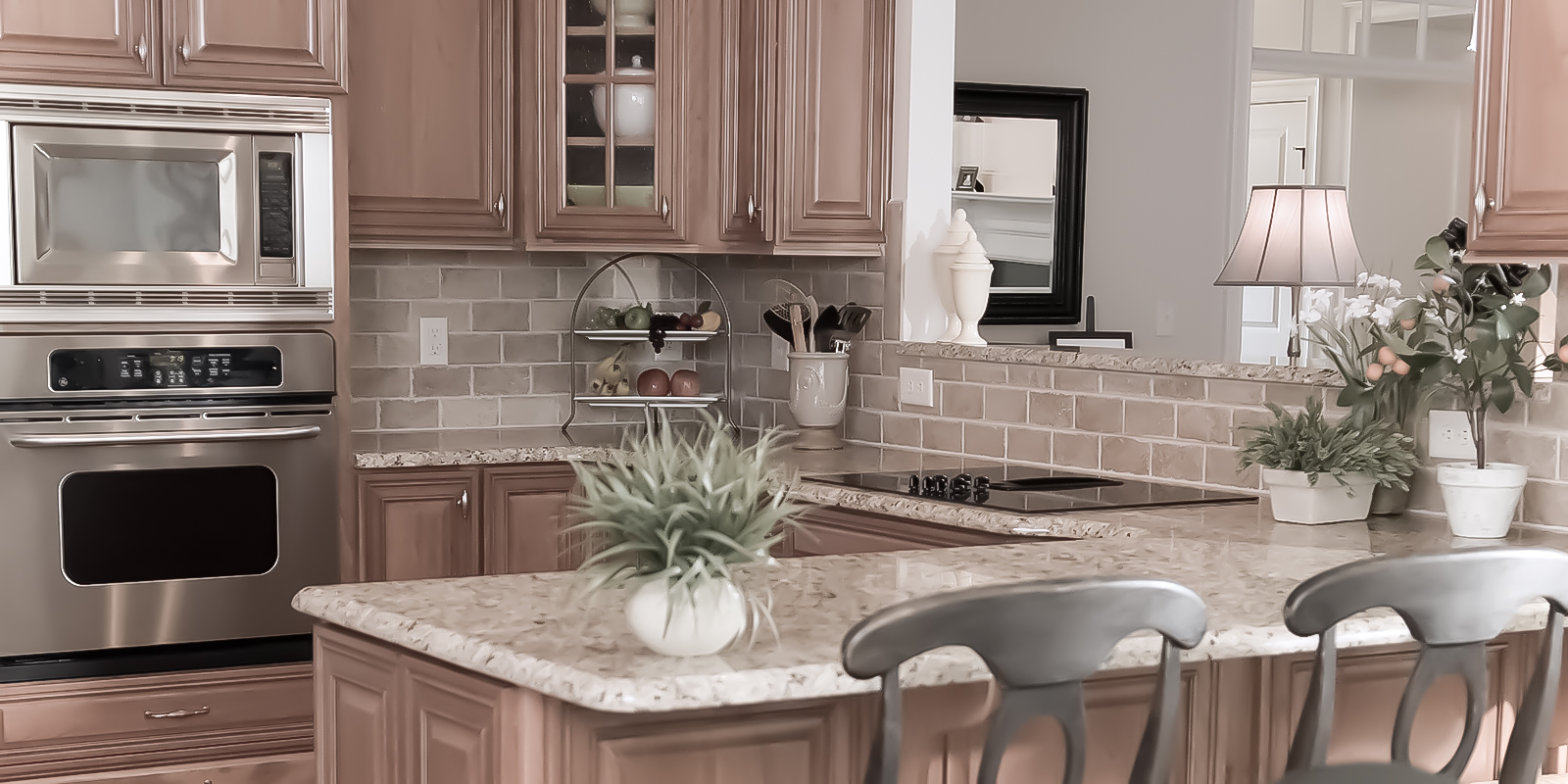
In San Luis Obispo homes, the kitchen transcends its utilitarian role to become the true heart of the house. Homeowners and architects prioritize designs that facilitate both everyday cooking and larger-scale entertaining. Expect expansive islands with ample prep space, high-end appliances suited for serious home cooks, and open layouts that flow effortlessly into dining and living areas.
Many kitchens incorporate natural materials that echo the outdoors—warm wood cabinetry, stone countertops reminiscent of the coastal cliffs, and large windows or sliding glass doors that frame garden views. These elements blur the boundaries between inside and out, allowing the smells of simmering sauces or fresh-baked bread to waft through the home while connecting cooks visually to their surroundings.
Outdoor or semi-outdoor kitchens have surged in popularity, featuring built-in grills, pizza ovens, and seating for guests. On mild Central Coast evenings, families and friends gather around these spaces for al fresco cooking sessions, turning meal preparation into a shared, performative experience rather than a solitary chore.
Gardens, Orchards, and the Joy of Growing Your Own
Beyond the kitchen walls, many SLO homeowners embrace edible landscaping. Backyards often include dedicated vegetable gardens, raised beds overflowing with herbs and heirloom tomatoes, or small orchards bearing citrus, avocados, or stone fruits that thrive in the temperate climate. Some properties even feature mature olive trees, nodding to the region's thriving olive oil production—Central Coast producers craft award-winning extra virgin oils from Italian and Mission varieties grown in the same soil that supports legendary vineyards.
These personal gardens do more than provide fresh ingredients; they foster a hands-on relationship with food. Harvesting dinner from one's own yard reinforces the agricultural heritage that defines the region, from historic ranchlands to modern sustainable farms. Landscape designs frequently integrate these productive spaces aesthetically, using drought-tolerant native plants alongside edibles to create beautiful, low-maintenance retreats that support both biodiversity and the dinner table.
Architectural projects in the area, whether new builds or remodels, often draw inspiration from farmhouse, Craftsman, Spanish Revival, or modern interpretations of rural European styles (such as Belgian Farmhouse aesthetics with limestone and metal roofing). These styles naturally lend themselves to indoor-outdoor living, with covered patios, loggias, and expansive decks that extend entertaining spaces into the garden. Pocket doors or retractable glass walls allow kitchens and great rooms to open completely, merging the home with its edible landscape.
Architecture as a Bridge to Agricultural Heritage
Thoughtful architectural design that supports local food culture does far more than accommodate cooking and dining—it actively strengthens residents' connection to the Central Coast's deep agricultural roots. When a home features a kitchen oriented toward a productive garden, an outdoor oven positioned for sunset views over rolling hills, or storage designed for preserving harvests (think pantry space for jams, oils, and wines), daily life becomes intertwined with the rhythms of the land.
Cooking and dining evolve into central, almost ritualistic experiences within the home. Weeknight meals might spotlight market-fresh ingredients prepared simply, while weekends bring larger gatherings around long farmhouse tables or under string lights in the garden. These spaces encourage mindfulness about where food comes from, reducing reliance on industrial supply chains and promoting sustainability.
In a broader sense, such homes embody a philosophy of place-based living. They honor the legacy of family farms, mission-era agriculture, and the innovative spirit of today's Central Coast producers. By making food production, preparation, and consumption visible and celebrated, architecture helps preserve and transmit this cultural heritage to future generations.
Living the SLO Food Life at Home
Ultimately, the interplay between architecture and local food culture on the Central Coast creates homes that feel alive and grounded. They are not just shelters but stages for the joys of growing, cooking, sharing, and savoring. Whether you're remodeling a kitchen to better host farm-to-table dinners, adding an edible garden oasis, or designing a new home with seamless indoor-outdoor flow, embracing these principles deepens your bond with one of California's most flavorful regions.
For those lucky enough to call San Luis Obispo home—or dreaming of it—the message is clear: build (or adapt) your space around the table, the garden, and the bounty just outside your door. The result is more than beautiful architecture; it's a richer, more connected way of life.
If you're inspired to incorporate these ideas into your own Central Coast home, consider consulting local architects and landscape designers who specialize in blending functionality, sustainability, and the region's signature casual elegance. The land—and your next meal—will thank you.
Want to learn more about GFH Architecture, Planning & Graphics?
Disclaimer
GFH Architecture does NOT represent or endorse the accuracy or reliability of any information or content contained on, distributed through or linked, downloaded or accessed on our Blog. The Authors expressed views and opinions are for entertainment, information and discussion purposes only. By viewing our Blog you signify your agreement that you must evaluate and make your own judgement, and bear all risks associated with, the use of any content on our Blog. Site Administrator
-
GFH has over 40 years of architectural experience serving the Central Coast.
-
Contact us today to discover how we can best serve you on your next building project.
-
Tel: +1 (805) 466-7674
-
Email: gary@gfharchitecture.com
John Smith Apr 15 2023
Your approved reply could appear here. Share your opinions and join the conversation.
ReplyJohn Smith Apr 15 2023
Your approved reply could appear here. Share your opinions and join the conversation.
ReplyLeave a Reply